
The General Theory of Interpretation
A Transformation Management Institute Research Program
THE GENERAL THEORY OF INTERPRETATION
A Transformation Management Institute Research Program
Introduction
The General Theory of Interpretation (GTOI) is a research program developed by the Transformation Management Institute. It examines how people, institutions, and automated environments determine what is occurring when information is incomplete, mediated, or contested.
GTOI addresses a recurring structural problem: coordinated activity proceeds on the assumption of shared understanding when no such alignment is present. Disagreement, delay, and miscoordination are often treated as downstream execution issues, even when the underlying conditions for compatible interpretation were never established.
The program publishes Meaning System Science (MSS) as its core analytic framework, defining the variables used across the canon to analyze interpretive compatibility and reliability.
This page provides an orientation to the GTOI canon. For a field-level comparison, see The Domain of Interpretation.
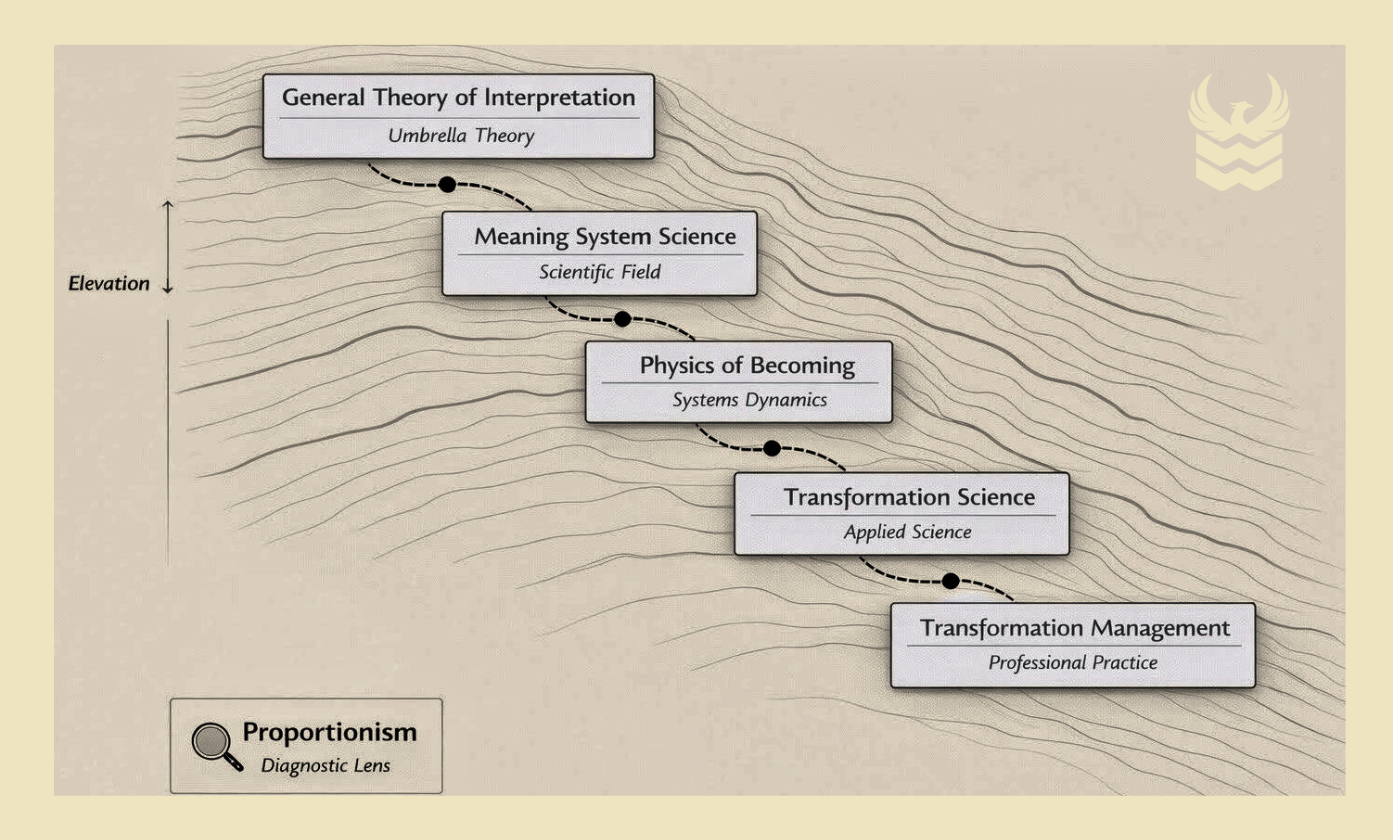
Figure 1. A map of the GTOI canon
These domains are connected regions of one landscape, not a required sequence; the path marks the main conceptual through-line.
Institute Canon Overview
A-Series · Foundations
A1 · Institute Charter
Why modern organizations keep solving the wrong problems.
A2 · Meaning System Science
What actually determines whether people understand each other at work.
A3 · Scientific Lineage of Meaning
The discoveries that shaped how humans decide what is real.
A4 · Physics of Becoming
What keeps systems together as they change.
A5 · Proportionism
How to stop guessing what’s really going on.
A6 · General Theory of Interpretation
Why meaning is not as subjective as it appears.
A7 · Forces & Dynamics of Interpretation
Why understanding fails even when everyone has the same information.
B-Series · Transformation Science
B1 · Emergence of Transformation Science
Why transformation efforts fail, and why common explanations miss the cause.
B2 · Practice of Transformation Science
How experienced practitioners identify breakdowns others overlook.
B3 · Restoration of Meaning
What becomes possible when people agree on what’s happening.
B4 · Temporal Behavior of Meaning Systems
Why meaning outlives usefulness, and how systems recognize completion.
C-Series · Meaning-System Governance
C1 · AI as a Meaning System
What changes when machines participate in interpretation.
C2 · Science as a Meaning System
What keeps knowledge reliable over time.
C3 · Pop Culture as Meaning Systems
How stories shape understanding at mass scale.
Discipline
TM1 · Transformation Management
Codifying transformation practice into a governing professional discipline.
TM2 · Transformation Breakdown Signatures
Recurring breakdown forms that undermine authority and governance during transformation.
TM3 · LDP-1.0
A structural diagnostic of interpretive stability.
TM4 · 3E Standard™
The minimum conditions for legitimate transformation.
TM5 · 3E Method™
A sequencing method for restoring coordinated action.
TM6 · Interpretation Field Studies (IFS)
Applied domains where meaning must be decided under constrained verification.
Institute
I1 · About the Institute
Who maintains and governs the canon.
I2 · Research Programs
Overview of TMI’s research branches: SET, GTOI, and Transformation Science.
I3 · Responsible Use of AI
Boundaries for AI use in Institute work.
I4 · Research Library
Curated entry paths into the Institute’s canon.
I5 · Official Terminology
The shared language of the discipline.
I6 · Citation Guidelines
How to reference the canon accurately.
I7 · Essential Reading
Foundational texts that inform the field.
New to the canon?
Start with our curated reading lists for orientation, or review the interpretive process for a structural overview.

From the TMI Research Library
The program’s featured publications.
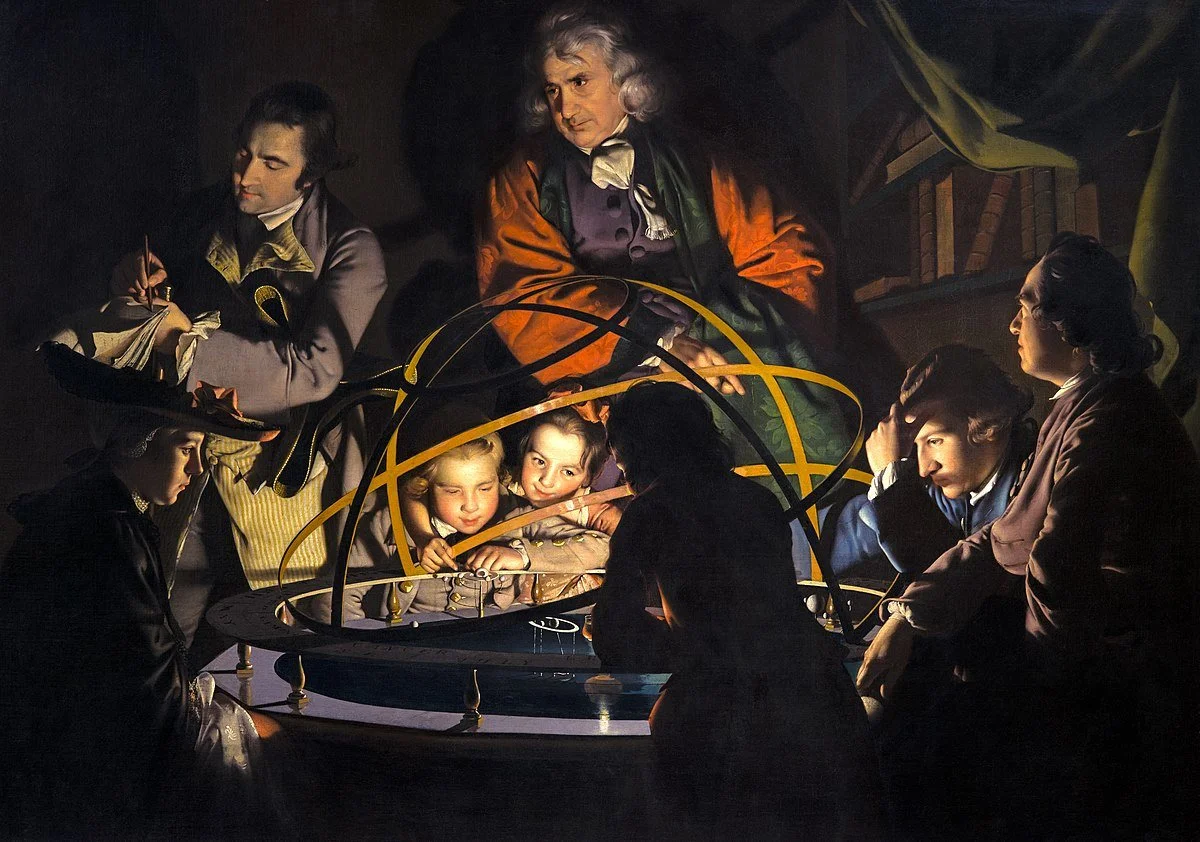
Joseph Wright of Derby, A Philosopher Giving a Lecture on the Orrery, 1766.
© The Trustees of the Science Museum, London.
Featured with Meaning System Science as shared interpretation: observation organized by explanation, where evidence becomes decisive through structure, authority, and constraint.
Monograph A2
Meaning System Science
October 2025
This paper explains what determines whether people can understand each other well enough to work together. It shows why “more communication” can increase confusion instead of producing clarity. Read this if issues get talked about but never resolved.

Njideka Akunyili Crosby, The Beautyful Ones, 2012.
© Njideka Akunyili Crosby. Courtesy of the artist and Victoria Miro.
Featured with The General Theory of Interpretation as layered context: a figure situated inside overlapping cues, where meaning follows environment, framing, and constraint.
Monograph A6
The General Theory of Interpretation
October 2025
This paper challenges the idea that meaning is whatever each person decides it is. It shows that interpretation follows repeatable patterns that shape disagreement long before opinions form. Read this if you’ve noticed the same arguments reappear across people, teams, or domains.
Intellectual Landscape
-
![Black and white photo of a smiling man with short, light-colored hair, wearing a plaid shirt, a striped tie, and a suit jacket, standing outdoors with trees in the background.]()
Alfred Tarski
Truth conditions and semantic constraint; informs Truth Fidelity as evaluability under declared reference promises.
-
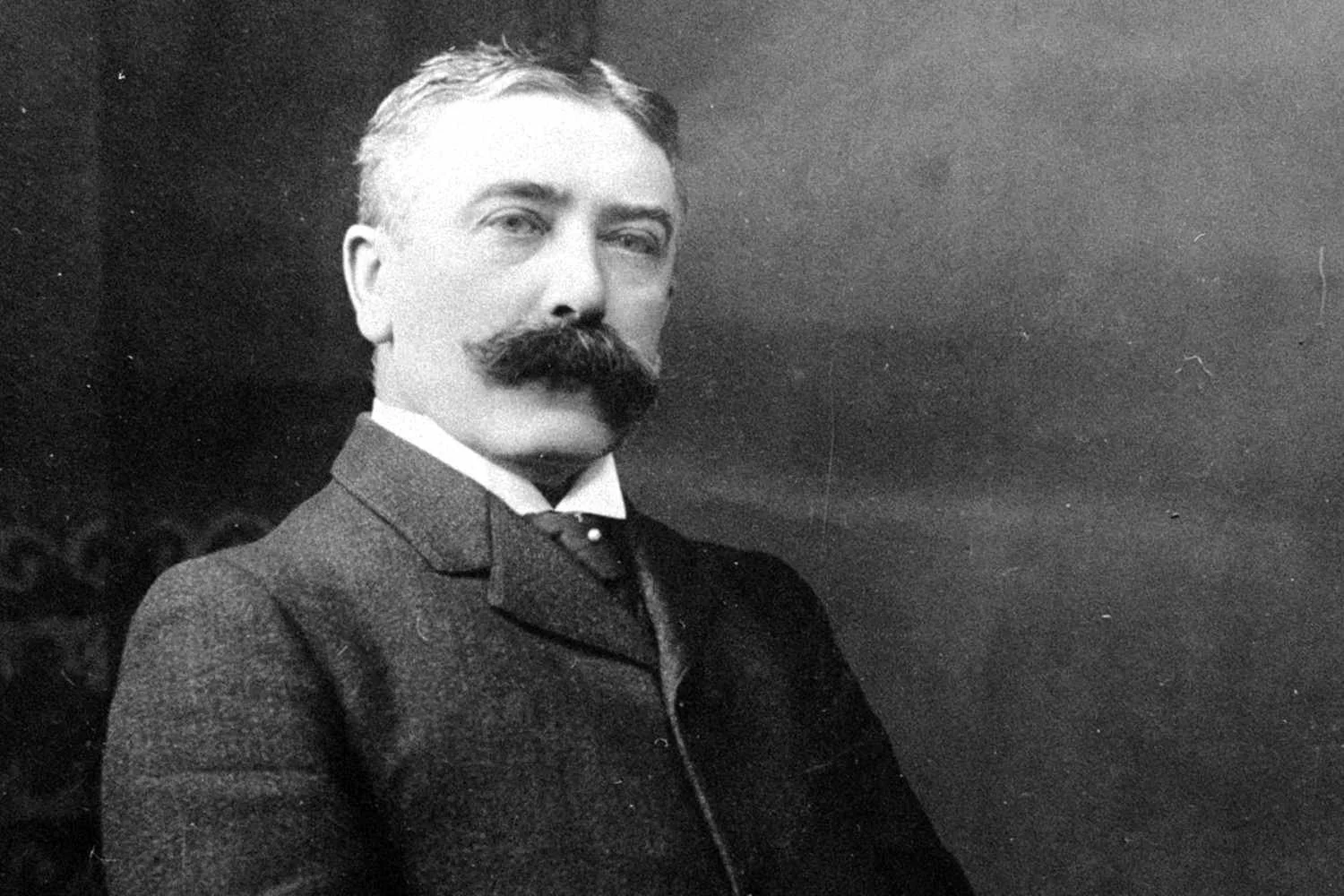
![Black and white portrait of a man with a large mustache, wearing a suit with a tie, looking slightly to the side.]()
Ferdinand de Saussure
Sign structure and differential meaning; informs Signal Alignment as encoded form independent of referent access.
-
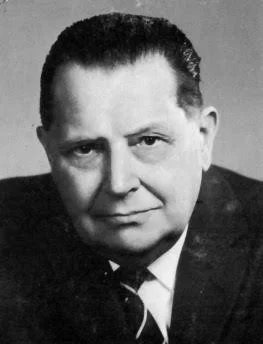
![Black and white portrait of a serious-looking man with slicked-back hair, wearing a dark suit and tie.]()
Ludwig von Bertalanffy
General systems, boundaries, and organized relations; informs Structural Coherence as architecture for stable interpretation across interfaces.
-
![Black and white photo of a man in a suit and tie, looking to the side outdoors.]()
Ilya Prigogine
Non-equilibrium stability and irreversible dynamics; informs Drift as a rate under throughput and constraint.
-
![Black and white portrait of a woman with short hair and earrings.]()
Lisa Feldman Barrett
Constructed affect and regulation as capacity; informs Affective Regulation as interpretive viability under uncertainty and consequence.
-
![]()
Jack Bogle
Institutional stewardship and incentive integrity; informs Legitimacy as trustworthiness produced by structure, not rhetoric.
-
![]()
Robert Kegan
Subject object development and complexity capacity; informs interpretive mismatch as a structural limit on what can be held as object.
-
![]()
Miranda Fricker
Epistemic injustice as credibility and interpretability failure; informs reception dynamics via testimonial and hermeneutical failure classes.
-
![]()
Claude Shannon
Channel capacity and noise-bounded transmission; informs Signal Alignment as an engineering constraint while bracketing semantics.

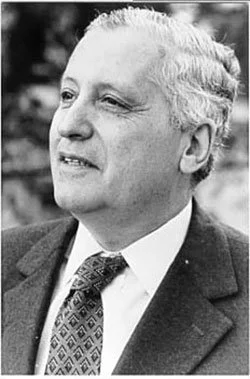




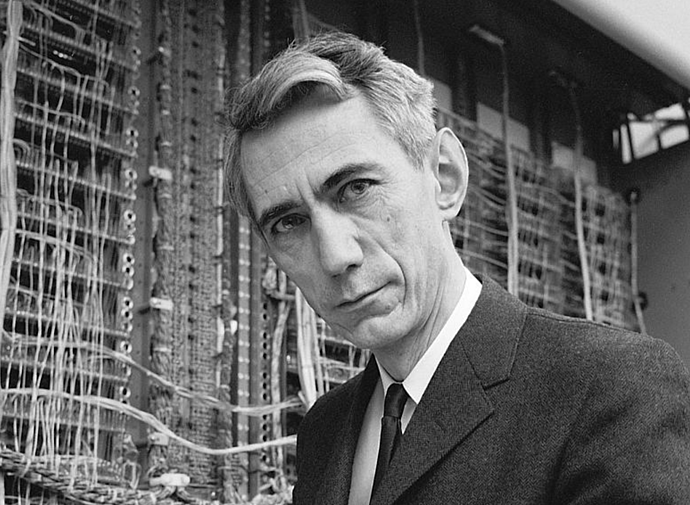
See where interpretation sits in relation to the major scientific domains
A domain map showing what interpretation governs, what it leaves to other sciences, and why it functions as a foundational layer across biology, psychology, institutions, and intelligent systems.
Institute Stewardship
The Transformation Management Institute stewards a scientific canon organized around three research programs: the General Theory of Interpretation (GTOI), System Existence Theory (SET), and Transformation Science. Each program defines its own scope, terminology, and publication sequence.
The Institute publishes this work as an open-access scientific resource and operates independently of commercial activity. Certain names and marks are protected to prevent misrepresentation of official terminology and standards; these protections do not restrict use of the underlying scientific concepts.
Publications are versioned over time and collectively support the Institute’s applied standards and professional disciplines.
→ Frequently Asked Questions
→ Research Programs
→ Terms of Use & Research Licensing